What mobile game players want: monetization insights from app store reviews

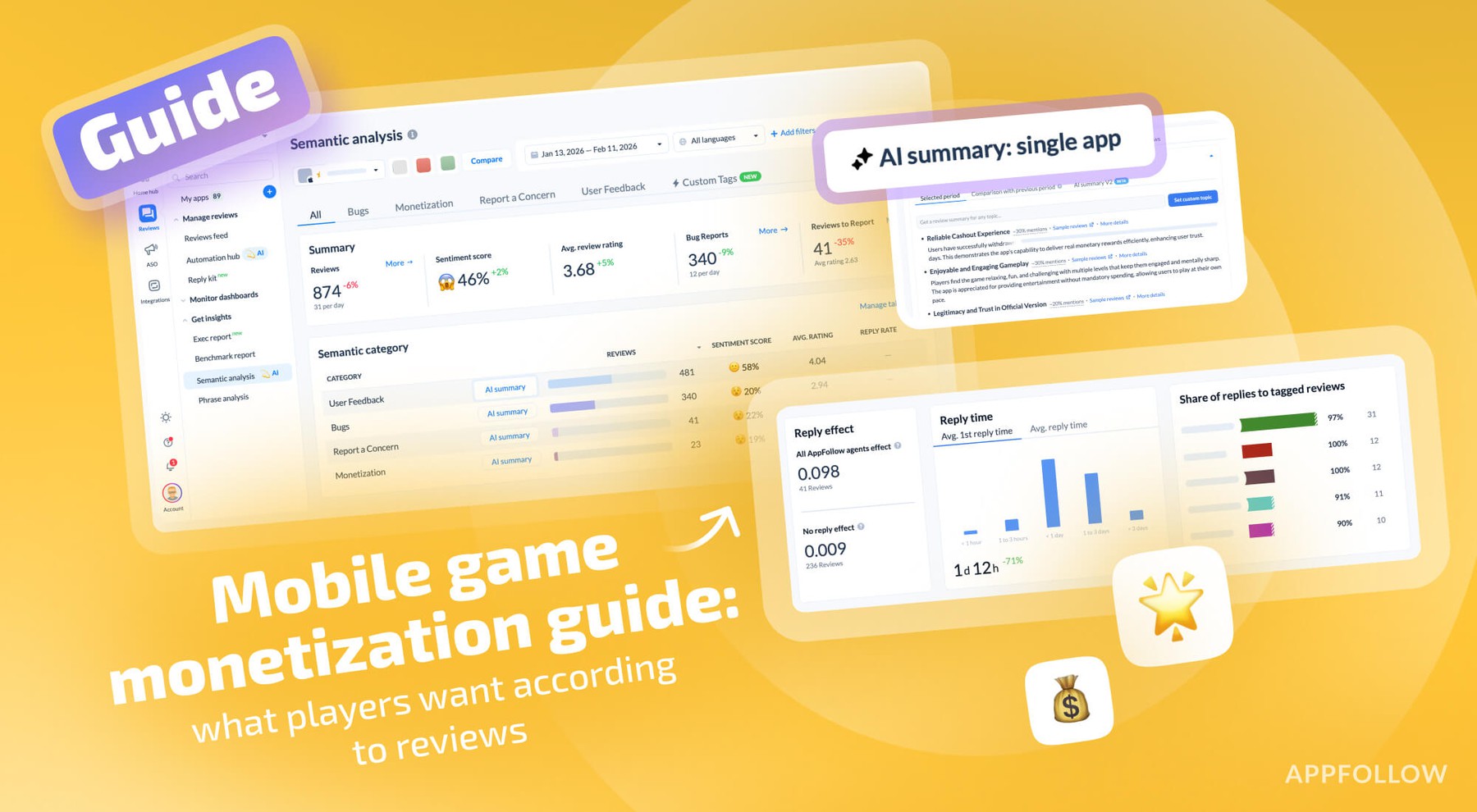
Table of Content:
Making money from mobile games is hard. You need players to download your game first, then you need them to stick around, and then somehow you need them to either watch ads or spend money. Most developers figure out the monetization part last, which is exactly backwards from how it should work.
Premium games, free with ads, cosmetics only, battle passes, gacha systems…everyone has an approach to it. But what matters is what your players think, and the best place to find that is in your app store reviews.
What players prefer
Based on review patterns across thousands of mobile games and discussion forums where players talk honestly about monetization, some clear preferences emerge.
Premium one-time purchases
People love paying once and getting the full game. No ads, no paywalls, no pressure to spend more. Reviews for premium games that deliver on quality tend to be extremely positive. The problem is getting anyone to download a paid app in the first place. Marketing costs are brutal and most players scroll past anything that isn't free.
The trial then unlock model works well. Give people enough free content to decide if they like the game, then charge once for the full version. This shows up in reviews as players appreciating being able to try before buying. Some games do this through a lite version with an IAP to unlock everything.
Cosmetics only monetization
When IAP is limited to cosmetics and nothing that affects gameplay, players generally don't complain. Reviews mention appreciating that spending is optional and doesn't create an unfair advantage. League of Legends style monetization, where you can only buy skins works for mobile too if the game is good enough that people want to customize their appearance.
Everything (or just about) needs to be earnable through normal play, even if buying speeds it up. Players hate feeling like content is locked behind a paywall. They're okay with cosmetics taking longer to earn if there's a path to get them without spending.
Rewarded ads beat forced ads every time
Reviews consistently show players are fine with watching ads when they choose to. Optional ads for bonuses, extra lives, currency boosts get positive mentions. Forced interstitial ads that pop up randomly make people uninstall immediately.
Give players control over when they see ads, and they'll tolerate them. Force ads on them and they'll rate you 1 star and delete the app. Even players who never spend money will sit through rewarded ads if the reward feels worth it.
Sound is also a big deal that developers overlook. Reviews mention hating ads that force sound on when their phone is muted. This gets called out specifically as a reason for uninstalling quite a lot. If you use ads, make sure they respect the user's sound settings.
Pay to remove ads
Offering an IAP to remove ads permanently gets positive mentions in reviews. Players appreciate having the option - wouldn’t you? Price matters, though. Reviews suggest $0.99 to $4.99 feels reasonable for ad removal. Anything over $5 starts getting complaints about being too expensive for an ad-free experience.
Bundle the ad removal with some bonus content or currency, and it feels like better value. Just removing ads for $9.99 gets called out as greedy in reviews. Removing ads, plus giving some in-game currency or a cosmetic item for $4.99 gets framed as supporting the developer.
Subscriptions need to be monthly, not weekly
Weekly subscriptions show up in negative reviews constantly. Players feel like weekly pricing is manipulative and adds up too fast. Monthly subscriptions get less pushback. The math is obvious to players, and weekly feels like you're trying to trick them.
Reviews also mention that subscriptions only make sense for games with regular content updates. If you're charging monthly but not adding new stuff regularly, players complain about poor value. MMO-style games can justify subscriptions because there's ongoing server costs and content. Single-player puzzle games trying to charge weekly get roasted in reviews, and rightfully so.
Pay-to-win
This is the clearest pattern in negative reviews that we observe. When spending money gives players a direct advantage over others, non-paying players leave and write angry reviews. They feel like the game isn't a game anymore, it's just who can afford to spend the most.
Gacha and loot box systems get compared to gambling in reviews, and yet the interest for them is great. Players call them predatory, manipulative, yet buy nonetheless. Some players defend these systems, saying they're optional, but the negative sentiment outweighs the positive for anything that feels like gambling.
The ethics come up a lot in developer discussions, too. Many developers who worked on heavily monetized mobile games talk about feeling uncomfortable with how manipulative the systems are, specifically targeting whales and vulnerable players, as something that made them leave mobile game development. At the same time, there can be a balance there.
Battle passes are acceptable (when done right)
Battle passes that don't expire get positive mentions. The Helldivers model (even though it’s not a mobile game), where you can always go back and complete past battle passes, shows up as player-friendly in reviews. Limited-time battle passes create FOMO and get complaints about being manipulative.
Price matters here, too. $9.99 for a season pass with substantial content gets framed as fair. Anything over $20 starts getting called expensive. Players compare mobile game battle passes to console game battle passes and expect similar value.
What makes money
Player preference and what makes the most money don't always align. Free to play with IAP generates way more revenue than any other model. This has been true for years and keeps being true because the math works out.
Getting someone to download a free game costs $2 to $4 in ad spend. Getting them to download a paid game costs more because the barrier is higher. Once they download your free game, you need about 5% of players to spend something. The ones who do spend need to spend enough to cover the acquisition cost of all the players who don't.
This means you can't cap spending. You need whales who will drop hundreds or thousands of dollars to subsidize the 95% of players who never spend anything. Premium games where everyone pays $4.99 once can't compete with this math in terms of total revenue.
Hypercasual games that focus on ads work differently. Players don't stick around long enough to build up enough value for IAP, so ads become the main revenue. These games burn through players fast, but the ad revenue per player makes up for it. The games you see with ads after every level are usually hypercasual, and that monetization matches the short session style.
Casual games like Candy Crush make money from IAP selling lives and power-ups. Players stick around for months or years so there's time to convert them to paying. Core mobile games use gacha and have much deeper wells where competitive players can spend almost unlimited amounts.
Design monetization into the core loop
The biggest mistake is making a game and then trying to figure out how to monetize it after. Monetization needs to be part of the design from the start.
- If you're planning to sell power-ups, the game difficulty needs to account for that.
- If you're selling cosmetics, the game needs to make players care about how they look.
- If you're using ads, you need natural break points where an ad doesn't wreck the flow.
Energy systems that limit play sessions exist to create a pain point that IAP solves. Timers that can be skipped with currency create spending opportunities. Extra inventory slots that cost gems give players a reason to buy gems. None of this works if you bolt it on after the game is already designed.
The 80% of players who never spend need to be able to play and enjoy the game. If free players hit walls they can't progress past, they leave and write bad reviews. The game has to be completable without spending while still giving spenders a reason to spend.
Different players spend at different levels, too. Some will drop $4.99 once and never spend again. Some will spend $10 every month. A small percentage will spend hundreds monthly. Your monetization needs options for all these players, not just one price point.
Reviews will tell you when you get the balance wrong. If you see patterns of complaints about hitting paywalls or feeling forced to spend, you've pushed too hard. If you see reviews saying there's nothing worth spending on, you haven't given players enough reason to open their wallets.
Finding the middle ground
You can make money without being predatory. It's harder, and you won't make as much as the most aggressive monetization, but it's possible.
- If you're selling something, make the price clear and what they're getting obvious. Hidden costs and confusing pricing show up in negative reviews.
- Long timers that can be skipped with payment feel manipulative. Ads that waste 30 seconds before you can skip them annoy people.
- A $4.99 IAP that gives you a meaningful amount of content or currency feels fair. A $4.99 IAP that barely moves the needle gets complaints. Look at what similar successful games charge and what they give for that price.
- Avoiding pay-to-win keeps your game feeling like a game instead of a store. Competitive advantage through skill and time investment gets positive mentions. Competitive advantage through wallet size gets negative mentions.
The monetization that makes the most money is usually not the monetization that gets the best reviews. You have to decide what matters more to you - if you're trying to maximize revenue, you'll end up with some negative sentiment around monetization. If you want overwhelmingly positive reviews, you'll leave revenue on the table, but more customers down the line.
Using reviews to understand monetization sentiment
Your reviews tell you exactly how players feel about how you make money. Someone writing "great game but the ads are so annoying I deleted it" is pretty clear feedback. When you get fifty reviews saying the same thing, that's a pattern worth paying attention to.
AppFollow pulls all your reviews from App Store and Google Play into one place where you can analyze them. The semantic tagging catches monetization complaints automatically. You set up tags for "ads," "IAP," "subscription," "pay to win" and the system sorts reviews into buckets so you can see what people are mad about.
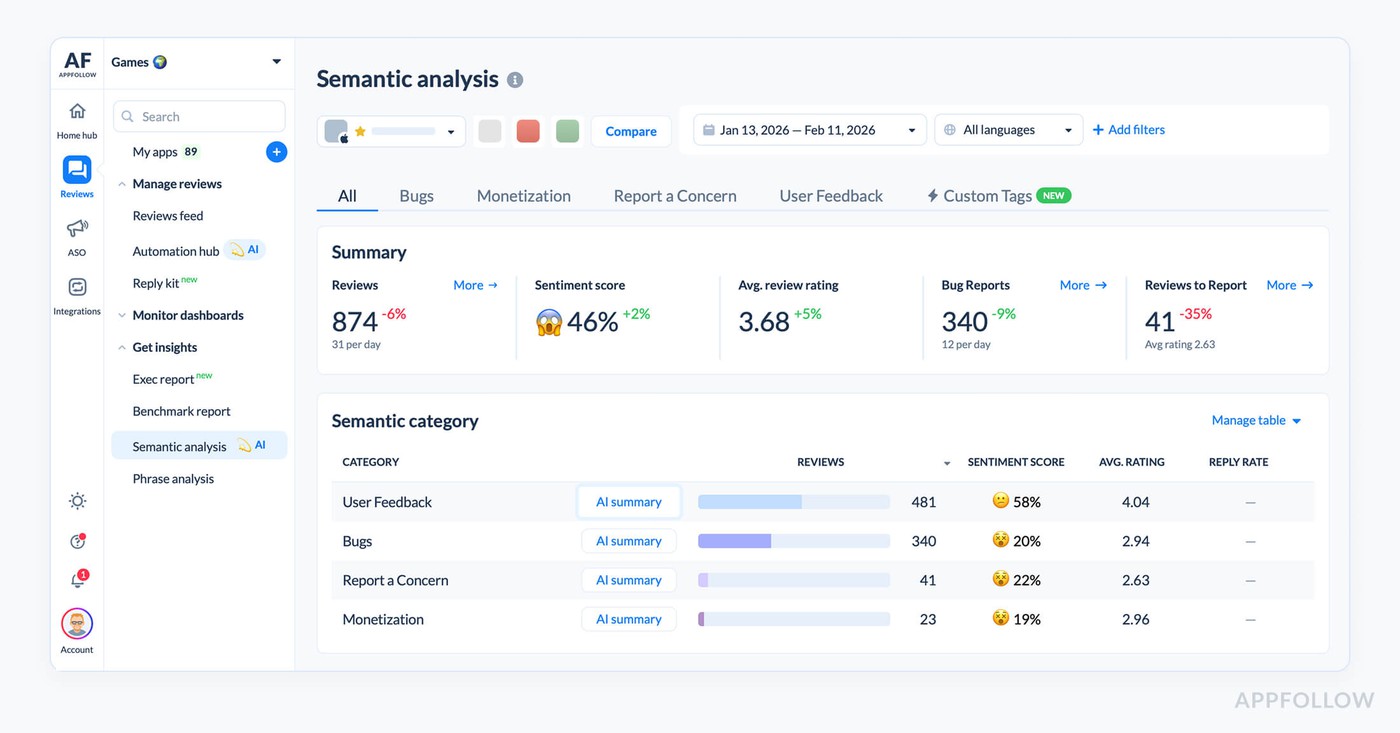
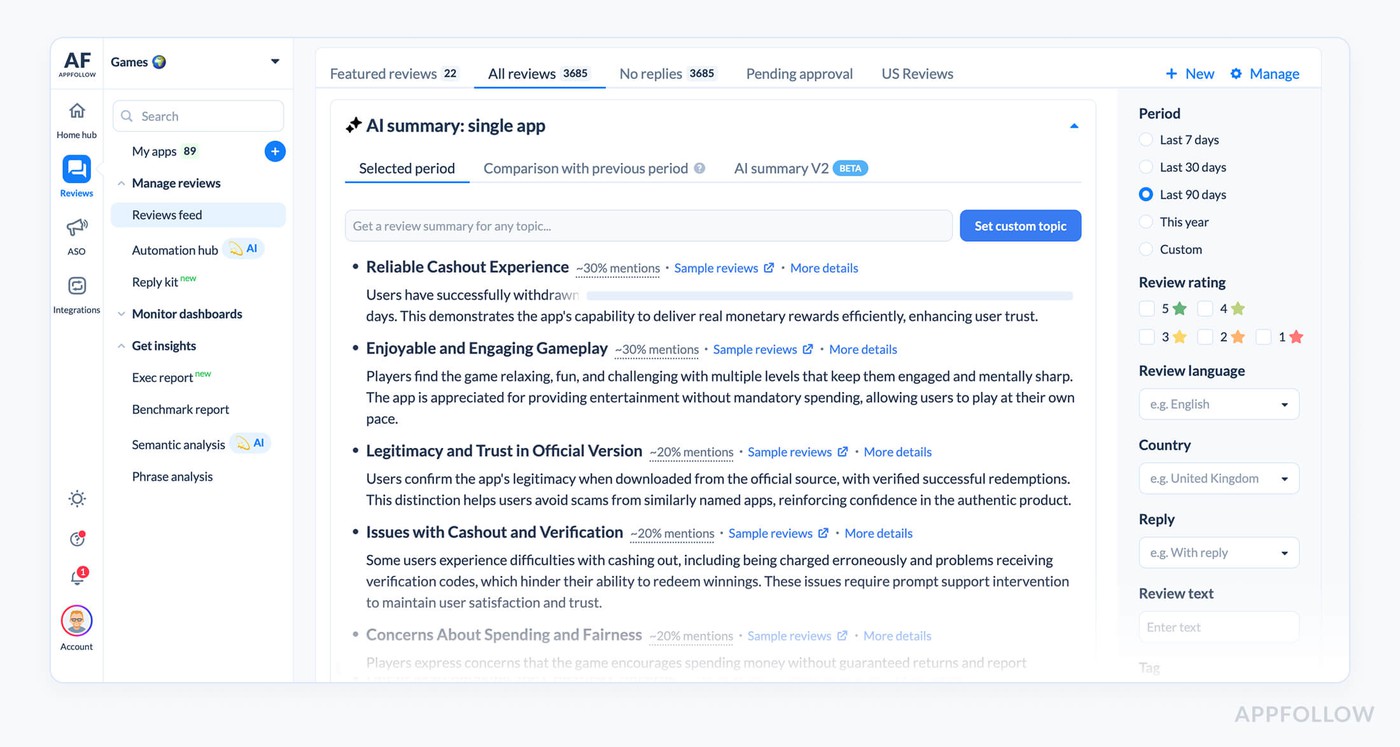
After pushing an update that changes your monetization model, you can pull AI summaries of reviews from the last week and get a summary showing whether people are complaining more or less about prices, whether they mention feeling forced to spend, if they're happy with the value they're getting.
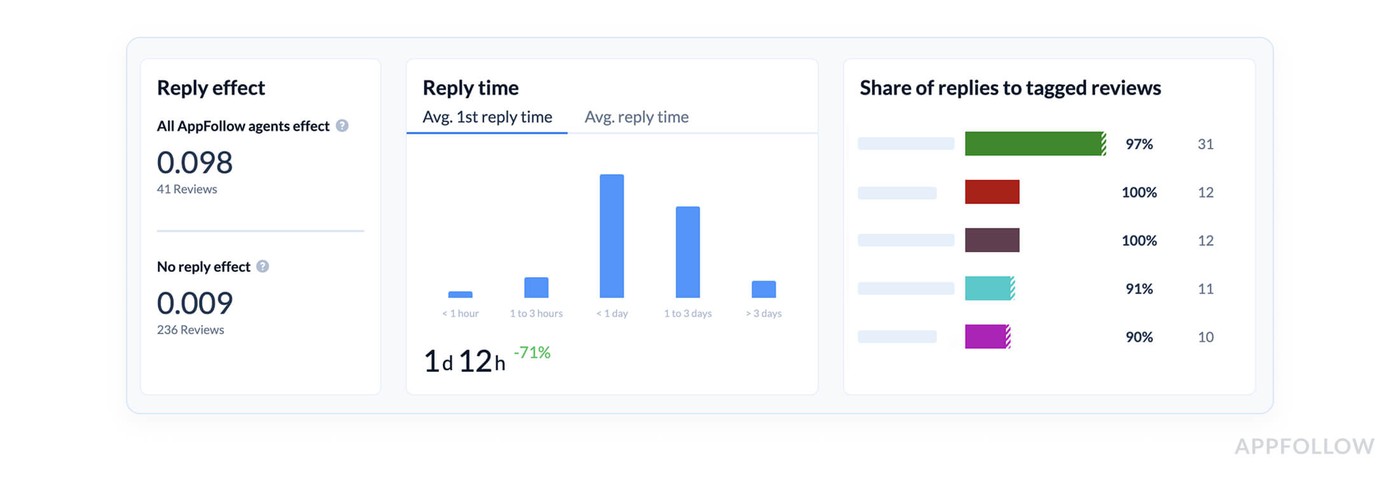
The reply effect metric matters here, too. When someone leaves a 2-star review complaining about ads, and you respond explaining you reduced ad frequency in the latest version, do they come back and update to 4 stars? That tells you the monetization change helped. If they don't change their rating even after your response, maybe the problem is bigger than you thought.
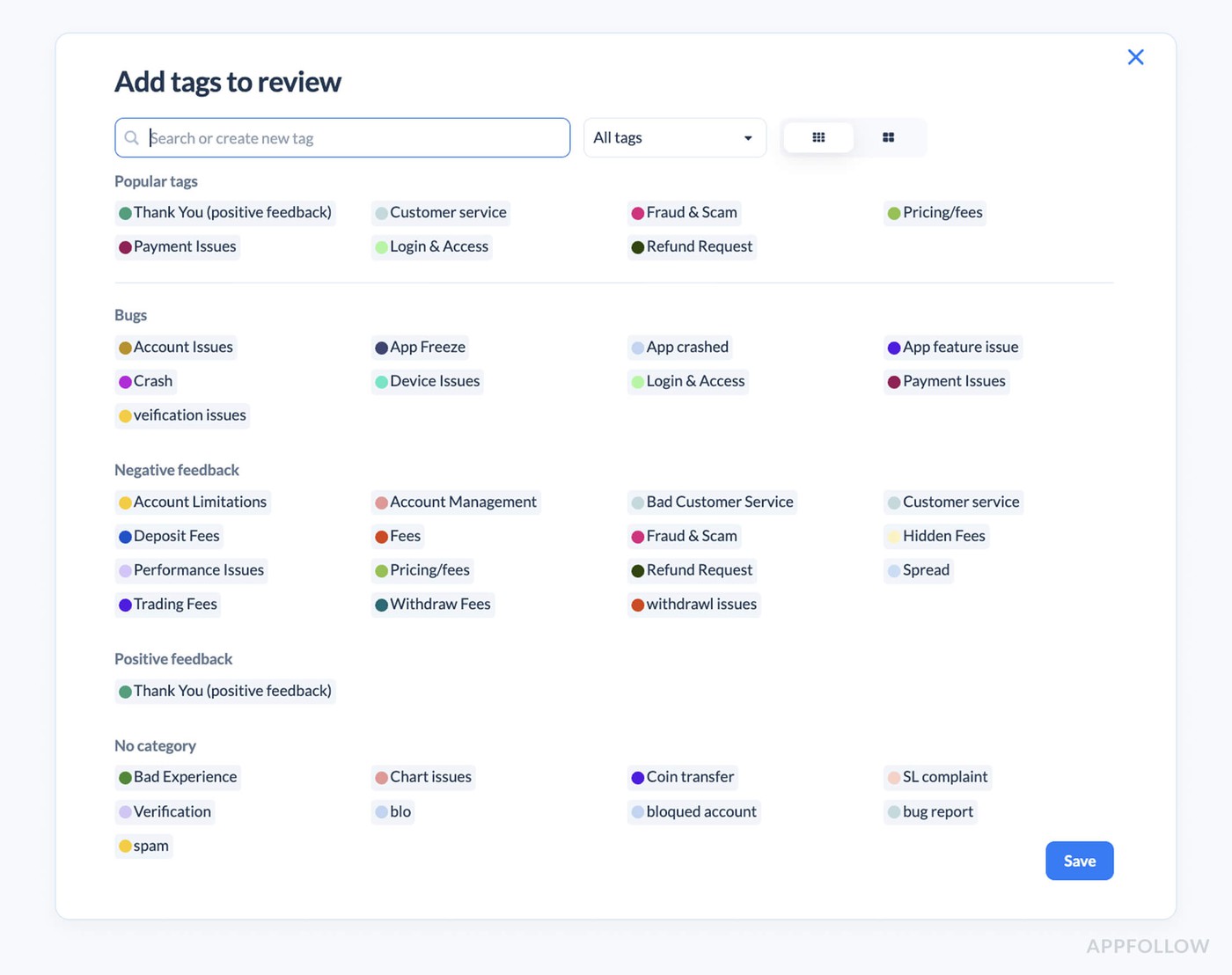
Auto-tags let you track this over time. You can see if monetization complaints are trending up or down month over month. Maybe you launched a new IAP package in March, and negative sentiment around pricing spiked. Maybe you added an option to remove ads for $2.99, and complaints dropped by half.
Sentiment analysis breaks down whether reviews mentioning monetization are positive or negative overall. A review saying "I don't mind the ads because you can pay to remove them" reads very differently from "ads after every level made me uninstall." Both mention ads, but the sentiment is opposite.
When you're deciding whether to implement a subscription model or stick with one-time IAP, look at what similar games in your category are getting in reviews. AppFollow's competitor analysis shows you reviews from other games. If three of your competitors tried subscriptions and all of them have reviews complaining about weekly pricing being too expensive, maybe monthly makes more sense for your game.
Tracking changes over time
AppFollow's performance tracking shows you how monetization changes affect your metrics. You add a new IAP bundle and can see if reviews mentioning pricing go up or down. You adjust ad frequency and watch if complaints about ads decrease.
The reply effect becomes useful for testing whether your monetization responses land well. When you tell someone complaining about pricing that you just added a cheaper bundle option, do they update their review? If yes, the change worked. If no, maybe the pricing is still too high.
Competitor benchmarking helps you understand if your monetization sentiment is better or worse than similar games. If you have 15% of reviews mentioning ads negatively and your competitors average 25%, you're doing better than the market. If you're at 40%, you've got a problem.
Set up custom reports that pull monetization-tagged reviews weekly. This lets you spot trends early. If ad complaints suddenly spike, you can investigate what changed. Maybe a new ad network is serving annoying ads. Maybe you accidentally increased the frequency in the last update.
What to do with the data
Reading reviews about monetization is step one. Acting on them is step two. If you're seeing consistent patterns of complaints about a specific price point being too high, test lowering it and see if conversion improves.
A/B testing monetization helps, but reviews give you the why behind the numbers. Your analytics might show fewer people buying the $9.99 bundle after you raised it from $7.99. Reviews will tell you players think $9.99 is too expensive for what you're offering.
Use review sentiment to inform your roadmap. If players keep asking for a one-time purchase to remove ads and you only offer subscription, maybe it's worth testing the one-time option. If reviews mention wanting cosmetics but you only sell power-ups, that's a signal.
Product also needs to know what players think is fair. Marketing needs to understand what monetization players respond to positively. Support needs to see common complaints so they can answer them better.
The games that do well long term find a monetization model that players don't hate. You make less per player than in the most aggressive games, but your retention is better, your reviews are better, and players stick around longer. That compounds over time in ways that pure revenue optimization doesn't.
FAQ
How do I know if my mobile game monetization is too aggressive?
Check your app store reviews for patterns of complaints about feeling forced to spend, hitting paywalls, or the game feeling pay-to-win. Use AppFollow's sentiment analysis to track monetization-related reviews over time. If more than 20-25% of your reviews mention pricing or ads negatively, your monetization is probably too aggressive. Look at your retention metrics too since players who feel pressured to spend often just quit instead of leaving reviews.
What monetization model makes the most money for mobile games?
Free-to-play with in-app purchases generates the most revenue for mobile games. This model lets you acquire users cheaply since the game is free to download, then monetize the 5% of players who spend while keeping the other 95% engaged. Top grossing games use deep IAP systems including gacha, battle passes, and consumables that let high-spending players drop hundreds monthly. Hypercasual games rely more on ads since players don't stick around long enough for IAP to work.
How can I use app store reviews to improve game monetization?
Set up auto-tags in AppFollow to automatically categorize reviews mentioning ads, IAP, subscriptions, pricing, and pay to win. Use AI summaries to understand overall sentiment after monetization changes. Track reply effect to see if players update their ratings after you explain monetization adjustments. Monitor competitor reviews to benchmark your monetization sentiment against similar games. Look for specific complaints about price points, ad frequency, or unfair advantages to identify what needs adjustment.
What do mobile gamers prefer for in-app purchases?
Players prefer cosmetic-only purchases that don't affect gameplay, optional rewarded ads over forced ads, one-time payments to remove ads permanently, monthly subscriptions over weekly, and the ability to earn everything through gameplay even if spending speeds it up. They hate pay to win mechanics, gacha systems that feel like gambling, forced interstitial ads, and feeling pressured to spend. Premium one-time purchase gets the best sentiment but generates less total revenue than well-designed free to play models.